Service 05Paint correction in Largo, FLSwirls removed, not hidden
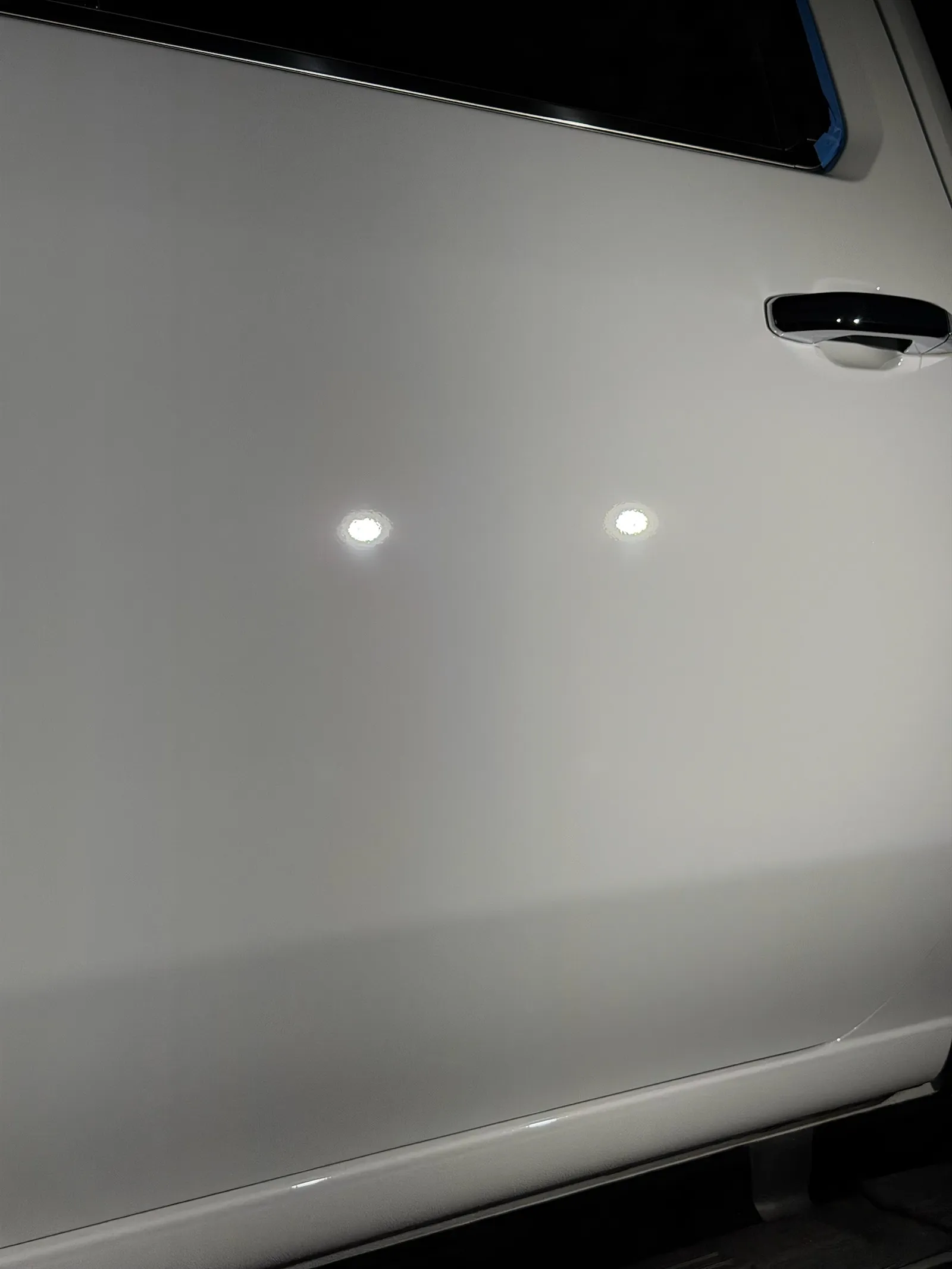
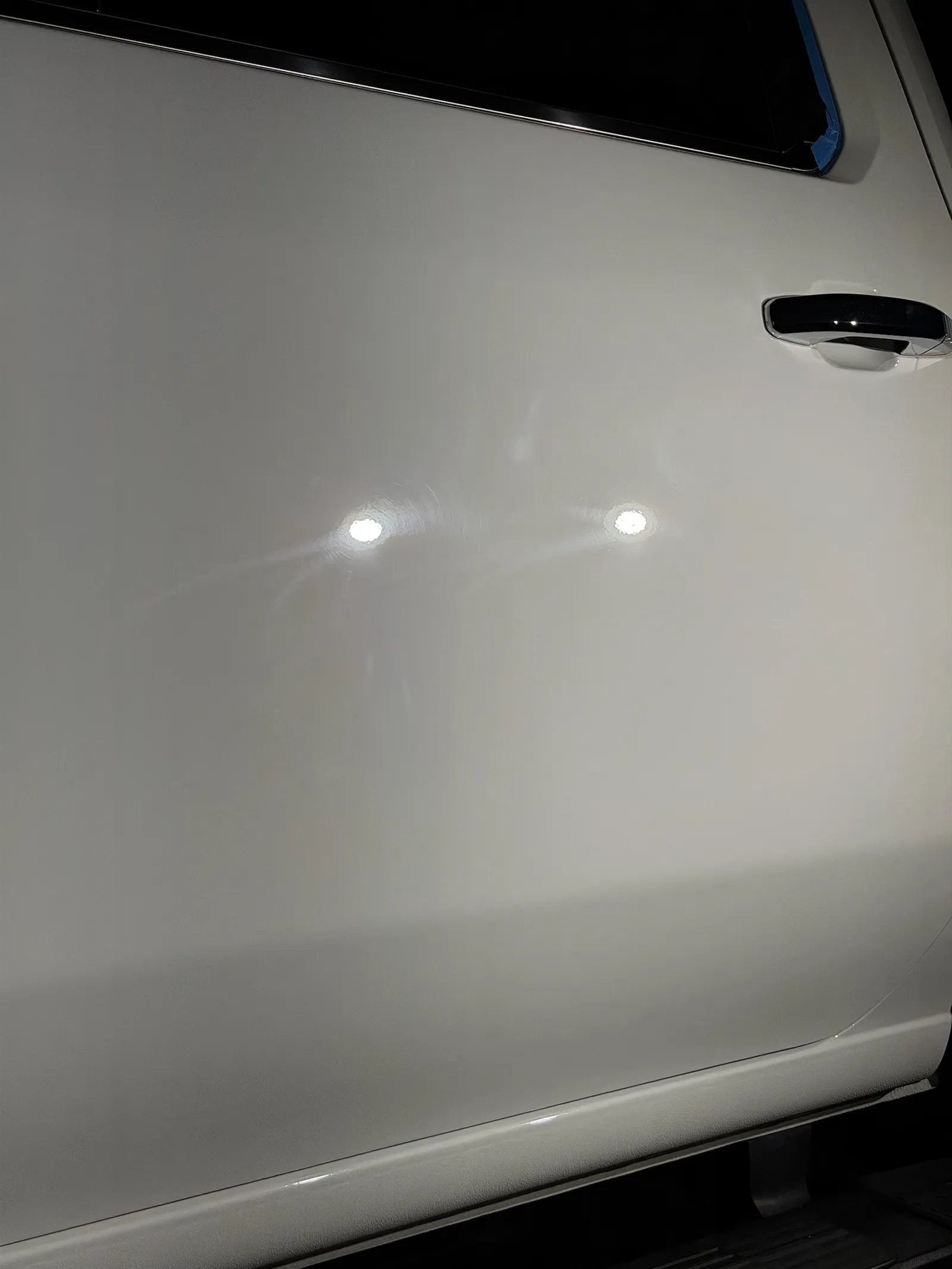
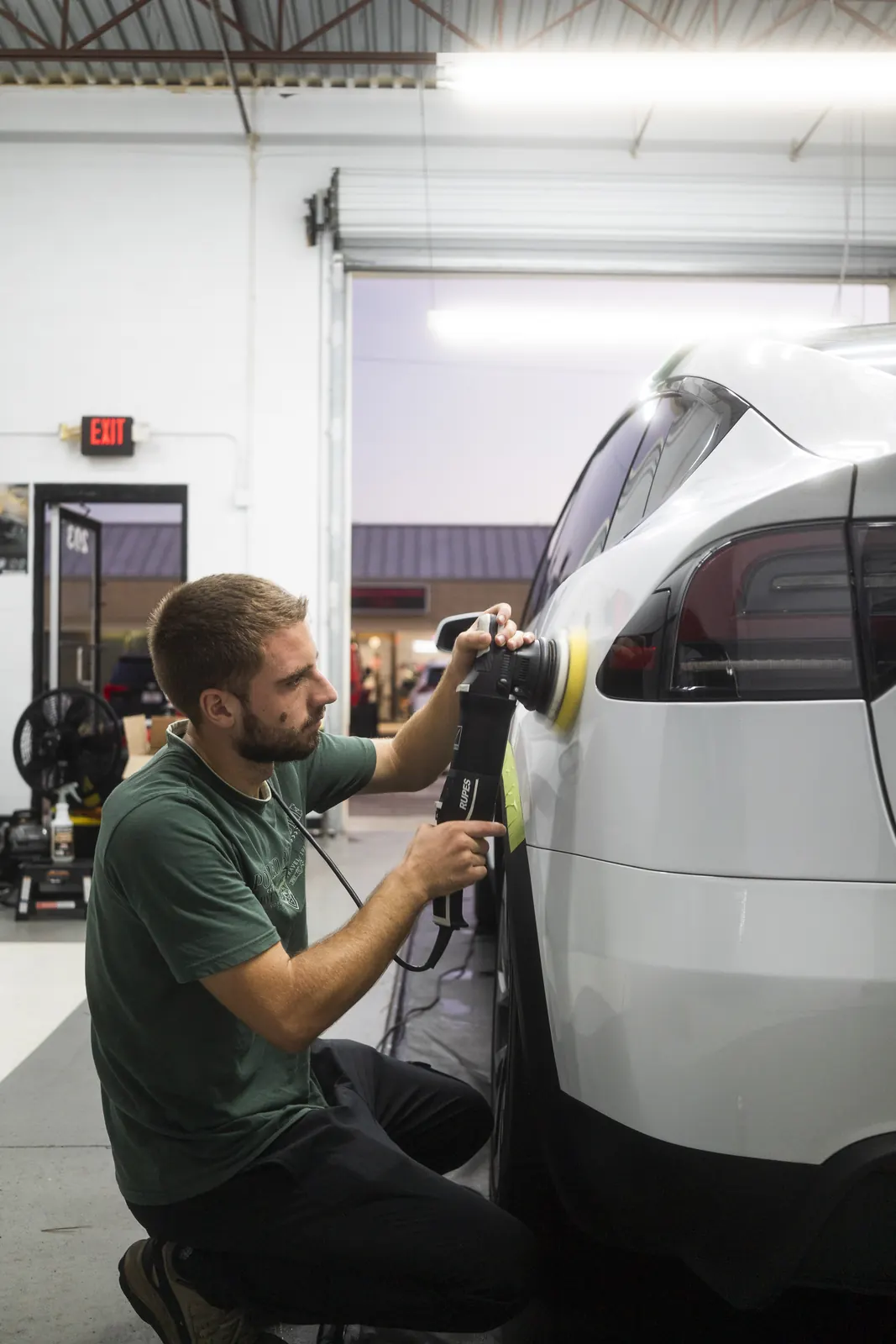
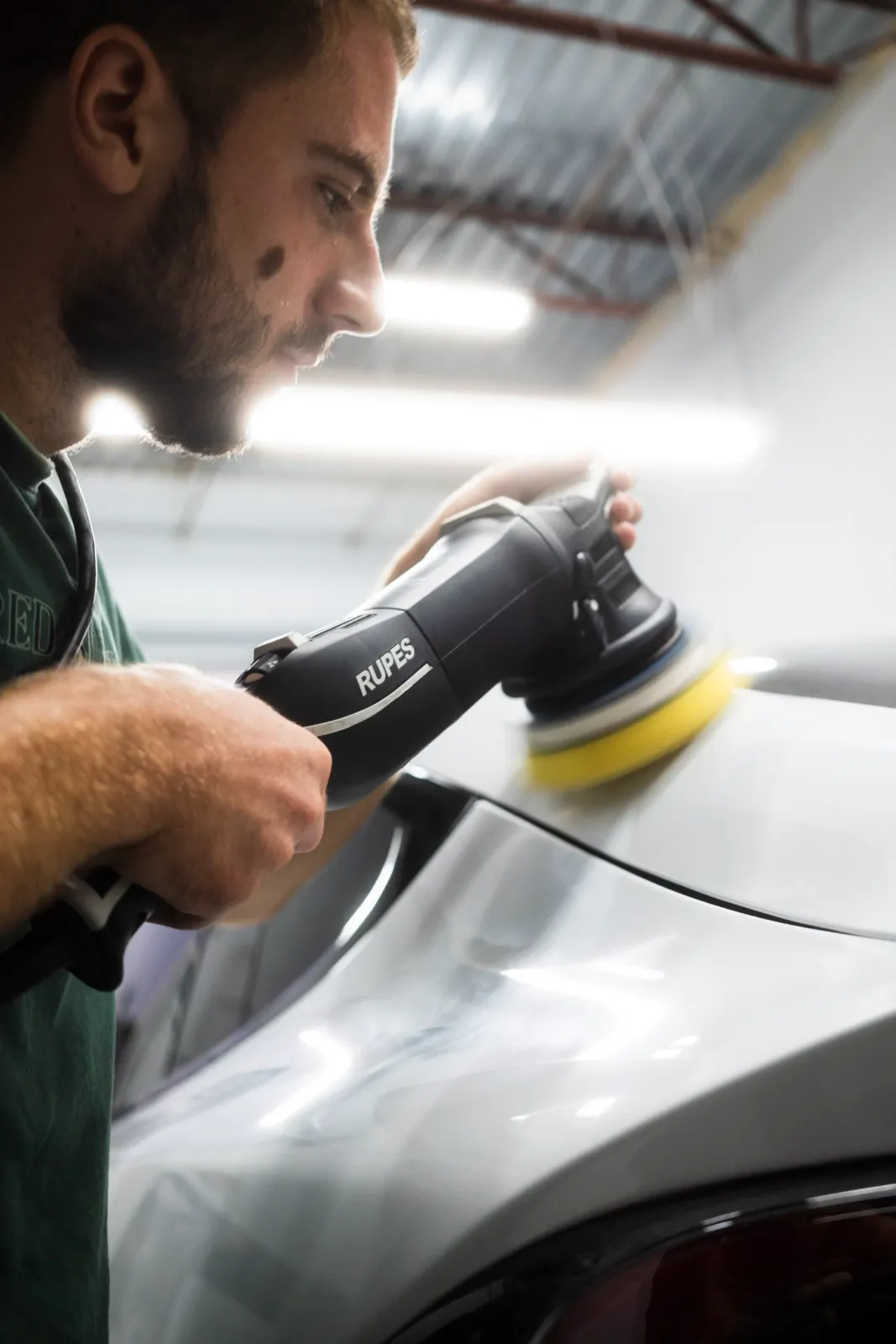
Paint correction is careful machine polishing — buffing, done right — that levels the clear coat to remove swirls, holograms, water spots and light scratches — instead of filling them with a glaze that washes out in a month.
- Multi-stage polish
- Inspection lighting
- Removed, not filled
SCROLL THE PROCESS
01STEP 01 / 04
Wash & decon
Hand wash, then iron and tar removal and a clay pass, so the polisher never grinds contamination into the paint.
02STEP 02 / 04
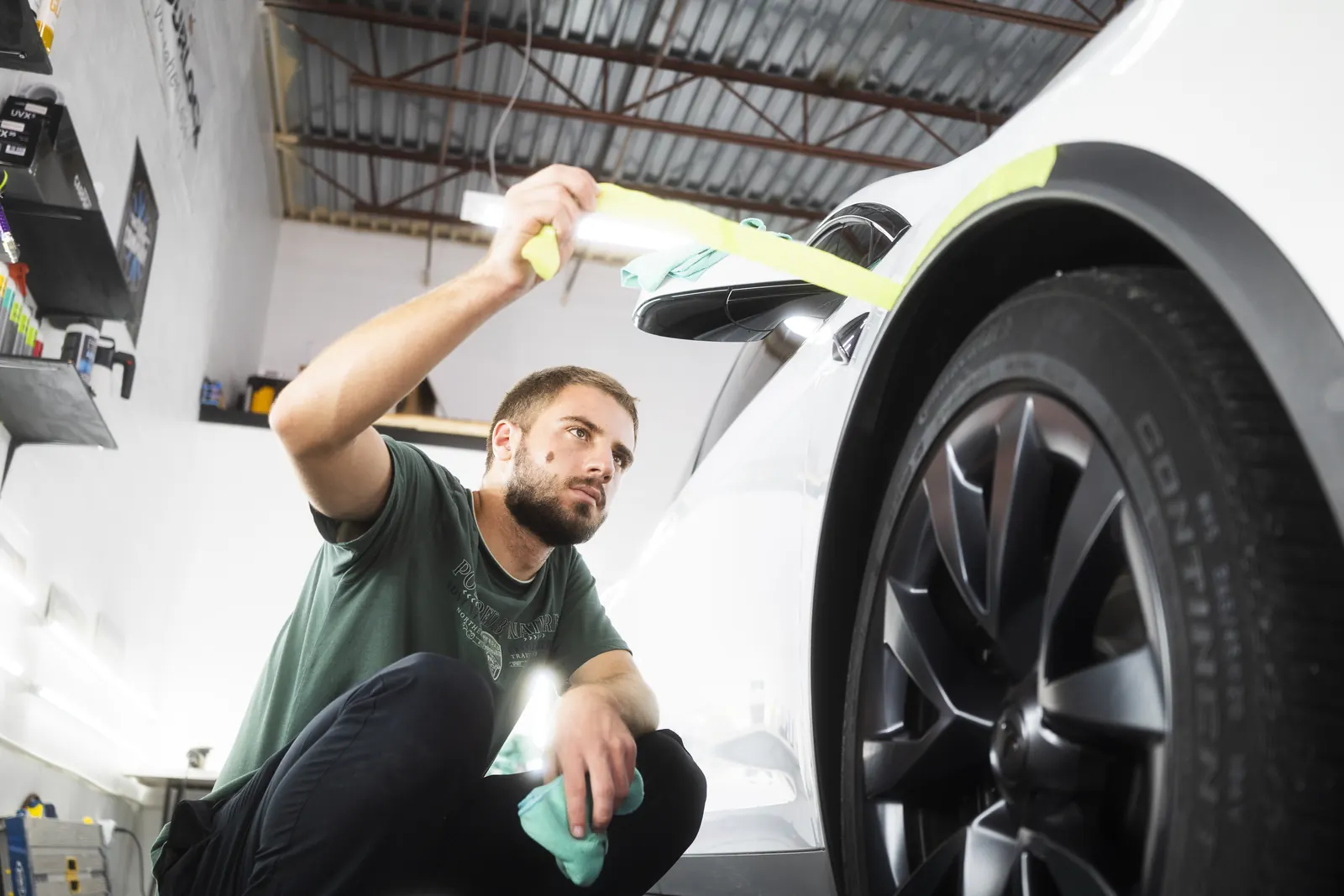
Inspect & test spot
Paint checked under inspection lights and a test section polished first, to find the least aggressive combination that removes the defects.
03STEP 03 / 04
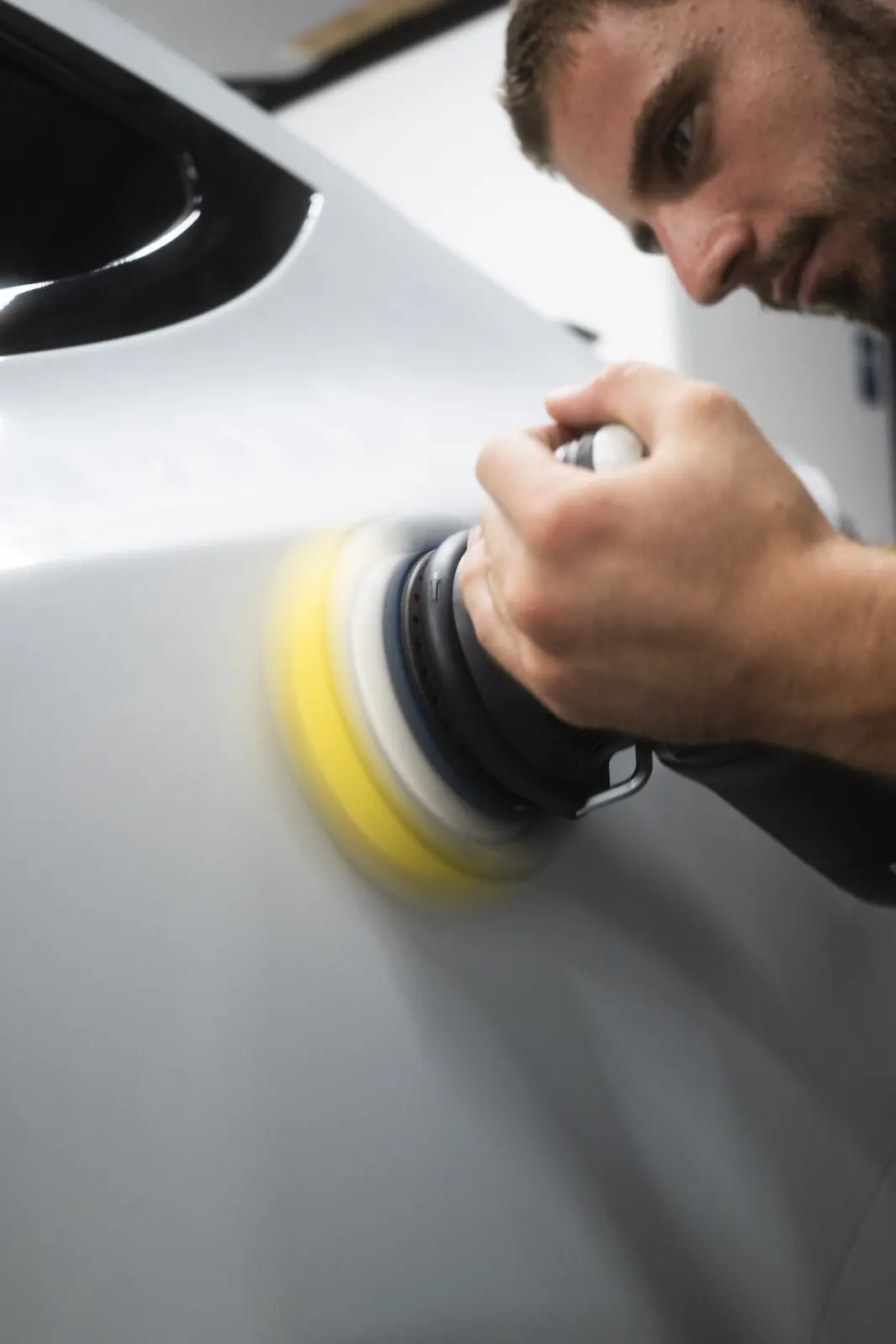
Compound & polish
Panel by panel: compounding for deeper defects, then a finishing polish for clarity and gloss. As little clear coat removed as the defects allow.
04STEP 04 / 04
Protect
Corrected paint gets protection: a sealant, or a ceramic coating to keep it looking this way for years.